
Laparoscopic Surgery – General Surgery (Fellowship)
The Laparoscopic Surgery Fellowship at JSS Academy of Higher Education and Research (JSS AHER), conducted in collaboration with the Global Healthcare Academy (GHA), is a 12-month advanced training program that equips surgeons with expertise in minimally invasive surgical techniques. Recognized globally for its academic rigor and clinical excellence, JSS AHER (NAAC A++, QS-ranked) provides a dynamic learning environment that integrates surgical innovation, hands-on training, and academic scholarship. With GHA’s support, fellows gain broader exposure to international standards and evolving surgical practices.

Offline
12 Months
Applicants must hold a recognized postgraduate qualification in General Surgery such as MS General Surgery, DNB General Surgery, or an equivalent degree, and should have completed a residency program.
About courses
- Master laparoscopic techniques for various surgical procedures
- Develop proficiency in managing perioperative care
- Engage in research to advance the field of laparoscopic surgery
- Collaborate with multidisciplinary teams to optimize patient outcomes
- Hands-on surgical training with live patient cases
- Participation in laparoscopic procedures under expert supervision
- Involvement in research projects focused on laparoscopic surgery
- Case-based reviews and structured surgical workshops
- Perform laparoscopic surgeries with competence and confidence
- Manage perioperative care effectively
- Contribute to advancements in laparoscopic surgery research
- Advocate for minimally invasive surgical practices
Course Faculty
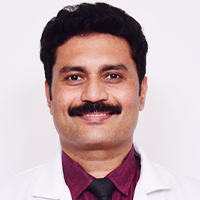
Dr. Harish S
Head of the Department
Experienced general surgeon known for his work in acute and elective surgical management.
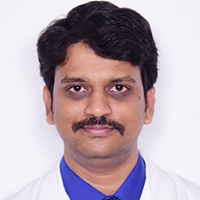
Dr. Deepak Naik P
General surgeon with proficiency in minimally invasive and emergency surgical care.
FREQUENTLY ASKED QUESTIONS
01 What makes laparoscopic surgery training essential today?
Minimally invasive surgery has become the standard of care in many fields. This fellowship provides the expertise needed to meet patient demand for safer, faster-recovery procedures.
02 How much hands-on surgical training will I receive?
Fellows participate directly in laparoscopic procedures such as cholecystectomy, hernia repair, and colorectal surgeries under expert supervision.
03 Will the program teach both basic and advanced laparoscopic techniques?
Yes. Training covers core procedures and advanced skills, ensuring fellows can handle both routine and complex minimally invasive surgeries.
04 How does perioperative care training fit into the fellowship?
The program emphasizes complete patient management, including perioperative care, complication handling, and enhanced recovery protocols.
05 Does this fellowship include simulation or skill-lab training?
Yes. Fellows practice in advanced surgical labs and simulation setups before applying skills in live surgical cases.
06 Will I be involved in research?
Yes. Research and academic discussions are integral, allowing fellows to contribute to evolving practices in laparoscopic surgery.
07 Why should I choose this fellowship at JSS AHER?
The fellowship is offered at a NAAC A++ and QS-ranked university, ensuring top-quality academic and clinical exposure. Fellows gain access to cutting-edge minimally invasive practices and international perspectives.
08 Is this fellowship suitable for general surgeons with limited prior laparoscopic experience?
Yes. The structured curriculum accommodates varying levels of prior exposure, progressively building advanced surgical competence.
09 How does the program balance theory and practice?
The fellowship combines live surgical training, case-based reviews, workshops, and structured academic sessions for well-rounded learning.
10 What are the career benefits of completing this fellowship?
Graduates can work as laparoscopic specialists, lead minimally invasive surgery departments, or advance into academic and research roles.